By The Dellatore Real Estate Company
Buying a home in Bonita Springs, FL, is one of the most significant financial decisions most people will ever make — and the home inspection is one of the most powerful tools available to protect it. In a coastal Florida market with specific weather exposures, hurricane history, and an insurance process that goes well beyond a standard walkthrough, understanding what you are stepping into before you are in the middle of it makes an enormous difference. We walk every buyer through this process, and what follows is the framework we use.
Key Takeaways
- A home inspection in Bonita Springs, FL, encompasses more than a structural and systems review — Florida's climate and insurance requirements make 4-point and wind mitigation inspections essential components of any purchase
- Buyers who attend the inspection in person leave with a fundamentally better understanding of the property than those who only read the report afterward
- Inspection findings are a negotiating tool — knowing which ones carry financial weight and how to use them strategically is a skill that comes from experience in this specific market
- Florida requires home inspectors to be licensed by the state — verifying credentials and local experience before hiring is a step many buyers skip and should not
What a Home Inspection Covers in Bonita Springs, FL
A licensed Florida home inspector conducts a visual, non-invasive evaluation of all accessible systems and components — roof, foundation, structural elements, HVAC, plumbing, electrical, doors, windows, and visible interior and exterior surfaces. The goal is to document the current condition of the property so the buyer understands what they are purchasing before they commit.
For a luxury home in Bonita Springs, FL, that process covers considerably more ground than a standard inspection. A large estate with multi-zone HVAC, a resort-style pool and spa, a whole-home generator, and smart home infrastructure requires an inspector with specific experience in high-end residential construction.
What Gets Inspected in a Standard Bonita Springs, FL, Home Inspection
- Roof: Tile condition, underlayment integrity, flashing around penetrations, and signs of prior storm repair or water intrusion — roofing concerns are among the most negotiated findings in this market
- HVAC: All air handlers and condenser units are operated and assessed for age and condition; in a luxury home with multiple zones, each unit should be documented individually
- Electrical: Panel, wiring, breakers, grounding, and visible connections; certain panel types are consistently flagged by Florida insurers and can affect coverage eligibility
- Pool and spa: Pumps, heaters, automation systems, and salt systems should be operated and assessed — pool equipment is expensive to replace and represents a genuine negotiating consideration
- Structural and exterior: Foundation, wall coverings, windows, doors, and impact protection; in a coastal market, the condition of impact windows and shutters carries particular weight for both safety and insurance
The Florida-Specific Inspections You Cannot Skip
Beyond the general inspection, buyers in Bonita Springs, FL, need two additional reports that feed directly into insurance underwriting: the 4-point inspection and the wind mitigation inspection.
A 4-point inspection covers the roof, HVAC, plumbing, and electrical — the four systems insurers care most about. For homes 20 to 30 years or older, many Florida carriers will not issue a new policy without a clean 4-point report. A wind mitigation inspection evaluates the features that make a home more resistant to hurricane-force winds: roof shape, deck attachment, roof-to-wall connections, secondary water barriers, and opening protection. Homes with strong wind mitigation features can reduce the windstorm portion of their insurance premiums by 10 to 45%.
Why These Inspections Matter for Luxury Buyers
- A 4-point report that flags a roof with fewer than five years of estimated remaining life creates a real obstacle to binding insurance before closing
- Post-2002 construction built to Florida Building Code standards typically performs significantly better in wind mitigation reviews than older inventory — making construction date a meaningful variable in any Bonita Springs, FL, purchase
- Bundling the general inspection, 4-point, and wind mitigation in a single visit typically costs $180 to $320 in Southwest Florida — a fraction of what finding these issues post-closing would cost
- Wind mitigation reports are valid for five years in Florida as long as no modifications are made to the roof, windows, or doors
Additional Inspections Worth Considering
Depending on the age and features of the property, several specialized inspections go beyond the standard package.
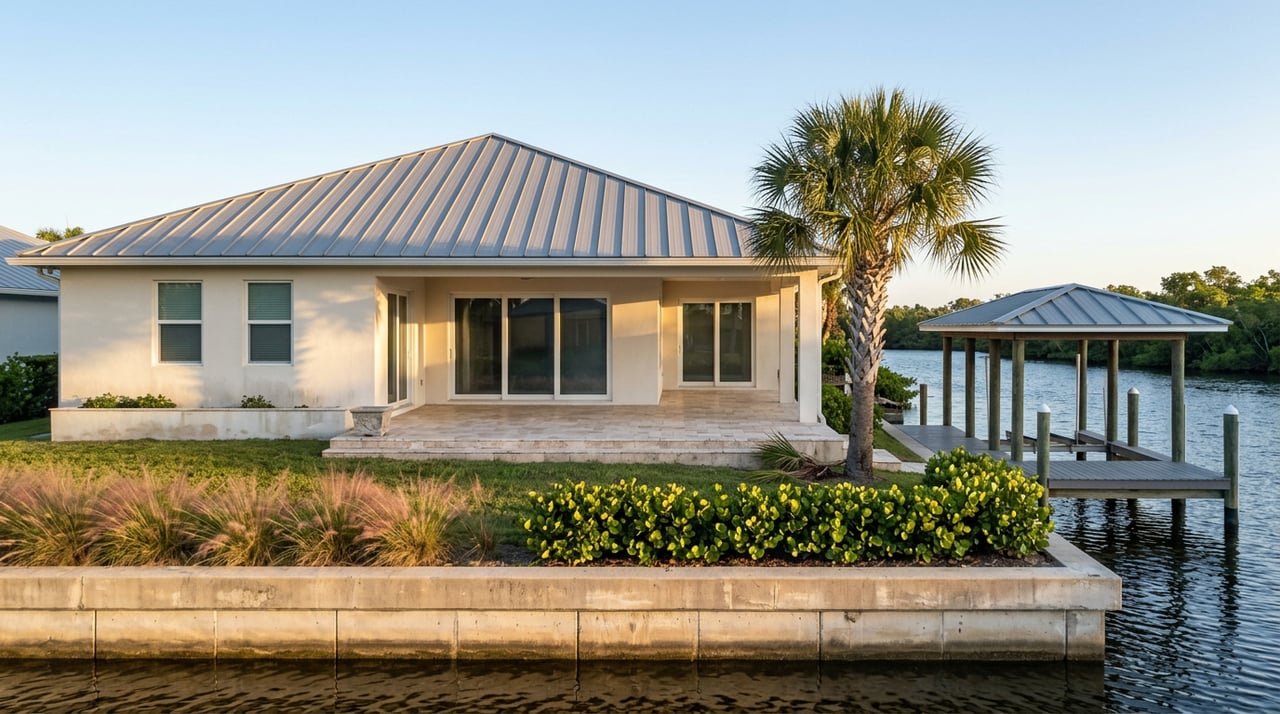
Mold and moisture inspections are particularly relevant in Bonita Springs, FL's coastal humidity environment — especially in homes that have experienced any water intrusion. Termite and wood-destroying organism inspections are standard practice and often required by lenders given Florida's warm climate. For waterfront properties, a dedicated marine contractor inspection of the seawall, dock, and boat lift is essential and not covered by any general inspection.
Using the Report as a Negotiating Tool
The inspection report is the beginning of a conversation, not the end of one. In the Bonita Springs, FL, luxury market, material findings create legitimate negotiating opportunities when handled with precision.
Not all findings are equal — cosmetic issues and normal wear are rarely worth the goodwill they cost to pursue. Aging roofs, HVAC systems past their service life, electrical panels flagged by insurers, and evidence of water intrusion are a different matter entirely.
Not all findings are equal — cosmetic issues and normal wear are rarely worth the goodwill they cost to pursue. Aging roofs, HVAC systems past their service life, electrical panels flagged by insurers, and evidence of water intrusion are a different matter entirely.
How We Approach Inspection Negotiations
- Prioritize findings by financial materiality — a $500 repair is not worth the same negotiating capital as a $50,000 one
- Use contractor estimates to anchor credit requests to real numbers rather than inspector language, which is deliberately cautious and rarely reflects actual repair cost
- Understand the seller's position — a motivated seller with extended days on market will approach negotiations differently than one with multiple offers
- Know when to walk away — if material findings fundamentally change the investment thesis, the inspection contingency exists precisely for that situation
Frequently Asked Questions
How long does a home inspection take for a luxury property in Bonita Springs, FL?
For a large estate or waterfront home, plan for three to five hours or more. A property with multiple HVAC zones, a complex pool system, and smart home infrastructure simply takes longer to evaluate thoroughly. Clear the afternoon and attend from start to finish.
Is a home inspection required in Florida?
It is not legally required, but skipping one on a luxury purchase is a risk no experienced buyer takes. The inspection provides the factual foundation for your insurance process, your negotiation position, and your understanding of long-term ownership costs.
Can a seller refuse to make repairs after an inspection?
Yes — sellers in Florida are not legally obligated to make repairs. Depending on the contract terms, buyers can renegotiate, request credits, or in many cases walk away during the inspection period. How those options are exercised is where local market experience becomes invaluable.
Work With The Dellatore Real Estate Company
Navigating the home inspection process in Bonita Springs, FL, is far more manageable with a team that has done it hundreds of times and knows which findings matter and how to handle them strategically. Reach out to us, The Dellatore Real Estate Company, and let our team guide you through every step of your purchase with the clarity and confidence you deserve.
Our team has served buyers and sellers across Bonita Springs, FL, for over a decade, closing more than $760 million in volume and earning recognition as Bonita's Best Real Estate Agency year after year. When you are ready to move forward, we are ready to make it happen.