By The Dellatorè Real Estate Company
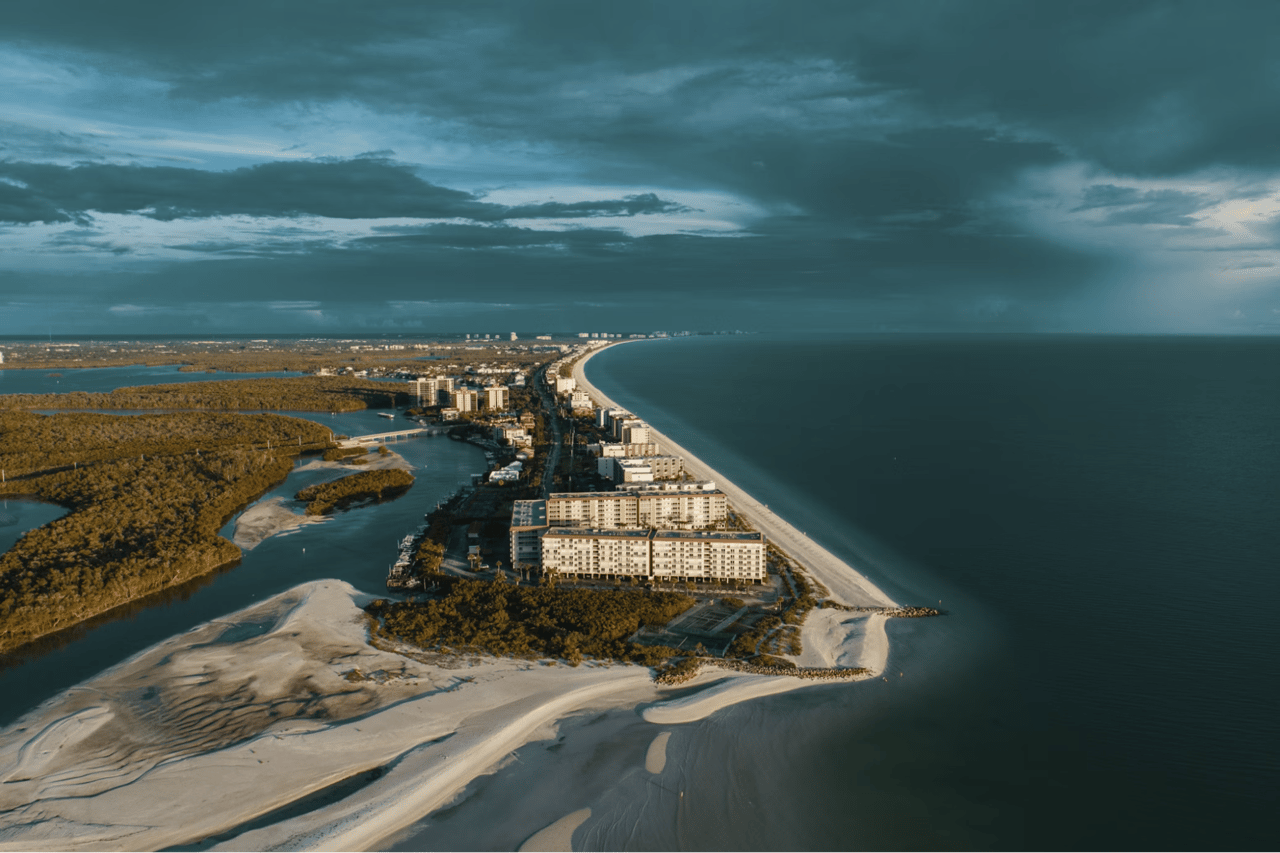
Picture yourself stepping outside on a bright Gulf-coast morning to a yard that looks polished. That is the payoff of smart, low-maintenance landscaping in Bonita Springs, where sandy soil, salt air, and sunshine reward the right plants and design choices.
Homeowners in Bonita Springs often inherit thirsty turf and tropical plantings that demand constant watering, trimming, and replacing. The good news is that a beautiful Bonita Springs yard does not have to run your schedule. With salt-tolerant natives, thoughtful hardscaping, and a few water-wise habits, you can spend far less time on upkeep and far more time enjoying the Southwest Florida lifestyle.
Whether you own a home near Bonita Beach Park or a place tucked into one of the area's golf communities, the same principles apply.
Key Takeaways
- Native and salt-tolerant plants like saw palmetto, coontie, muhly grass, and firebush thrive in Bonita Springs homes with minimal water.
- Grouping plants by water needs, mulching, and using drip irrigation cut your watering bill and your weekend chores.
- Hardscaping with shell, gravel, and pavers reduces mowing, resists salt, and drains fast in the area's sandy coastal soil.
- Florida-friendly landscaping principles help you design a yard that looks lush while conserving water and supporting wildlife.
- A well-planned, easy-care landscape adds curb appeal and lasting value to homes in Bonita Springs.
What Makes Landscaping Low-Maintenance in Bonita Springs?
The lowest-maintenance landscaping in Bonita Springs relies on native and salt-tolerant plants that thrive in sandy coastal soil with little supplemental water, less fertilizer, and minimal trimming. Because these species can handle the heat, humidity, and salt spray of Southwest Florida, they stay healthy on their own once established.
Contrast that with the high-maintenance approach that many yards start with: broad expanses of St. Augustine turf, imported tropicals, and crowded plantings. Those choices need frequent irrigation, regular feeding, and constant cleanup. When you build around plants suited to the local terrain instead, the yard practically maintains itself.
Low maintenance also comes from great design. Right-sizing your planting beds, reducing turf, and letting hardscape carry more of the visual weight all lower the amount of living material you have to tend. Bonita Springs homes shine when the landscape looks intentional and open rather than overplanted.
Contrast that with the high-maintenance approach that many yards start with: broad expanses of St. Augustine turf, imported tropicals, and crowded plantings. Those choices need frequent irrigation, regular feeding, and constant cleanup. When you build around plants suited to the local terrain instead, the yard practically maintains itself.
Low maintenance also comes from great design. Right-sizing your planting beds, reducing turf, and letting hardscape carry more of the visual weight all lower the amount of living material you have to tend. Bonita Springs homes shine when the landscape looks intentional and open rather than overplanted.
What Makes a Yard Truly Low-Effort?
- Native plants that need little water once their roots are established.
- Reduced turf, which cuts mowing, edging, and irrigation all at once.
- Deep mulch layers that hold moisture and naturally block weeds.
- Slow-growing shrubs that rarely need pruning to stay in shape.
- Hardscape features that fill space beautifully.
Which Plants Thrive in Coastal Bonita Springs Yards?
The plants that thrive best in coastal Bonita Springs yards are salt-tolerant natives, including sea grape, coco plum, beach sunflower, muhly grass, firebush, coontie, and the sabal palm. These species shrug off salt spray, sandy drainage, and intense sun, which makes them ideal for properties near Bonita Beach, Estero Bay, and the canals.
Saw palmetto and coontie form structural greenery that rarely needs attention, while muhly grass adds soft pink plumes in fall for movement and color. Firebush and beach sunflower bring warm blooms that attract butterflies and pollinators, and sea grape or coco plum can create a salt-hardy hedge along a property line. Because these are Florida natives, they fit right into the look and feel of homes in Bonita Springs.
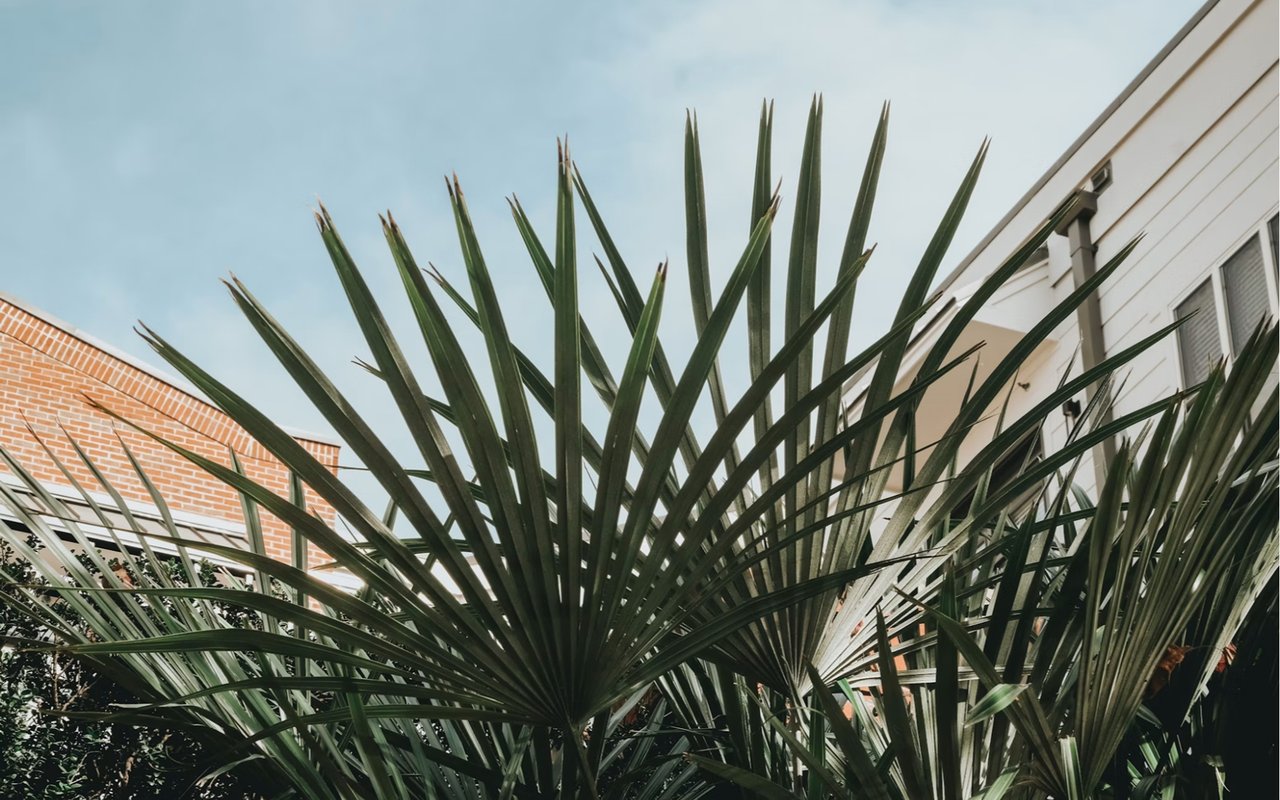
If you want a tropical feel, lean on native palms and hardy groundcovers rather than fussy exotics. The sabal palm, Florida's state tree, handles wind and salt and gives your yard that unmistakable coastal silhouette. Pairing a few palms with low native beds delivers a resort look that holds up through the seasons.
Saw palmetto and coontie form structural greenery that rarely needs attention, while muhly grass adds soft pink plumes in fall for movement and color. Firebush and beach sunflower bring warm blooms that attract butterflies and pollinators, and sea grape or coco plum can create a salt-hardy hedge along a property line. Because these are Florida natives, they fit right into the look and feel of homes in Bonita Springs.
If you want a tropical feel, lean on native palms and hardy groundcovers rather than fussy exotics. The sabal palm, Florida's state tree, handles wind and salt and gives your yard that unmistakable coastal silhouette. Pairing a few palms with low native beds delivers a resort look that holds up through the seasons.
Salt-Tolerant Plants Worth Considering
- Saw palmetto and coontie for evergreen, no-fuss structure.
- Muhly grass for soft texture and standout fall color.
- Firebush and beach sunflower for long-blooming, pollinator-friendly color.
- Sabal and other native palms for a coastal canopy that handles wind.
How Do You Reduce Watering and Yard Work Near the Gulf?
You can reduce watering needs and yard work near the Gulf by grouping plants with similar water requirements, mulching heavily, switching to drip irrigation, and replacing thirsty turf with native groundcover. These moves address the biggest time-and-water drains in a typical Bonita Springs yard, so your landscape stays green with a fraction of the effort.
Grouping plants by water needs, or hydrozoning, keeps you from overwatering. A two- to three-inch layer of mulch locks moisture into the sandy soil, moderates root temperature, and smothers weeds. Drip irrigation delivers water straight to the roots with very little waste, which matters during the dry winter and spring months in Southwest Florida.
Many local homeowners follow the Florida-Friendly Landscaping program developed by UF/IFAS, which offers research-backed principles for beautiful, water-wise yards across the state. Adopting even a few of those guidelines can lower your water bill while keeping your Bonita Springs home looking its best.
Grouping plants by water needs, or hydrozoning, keeps you from overwatering. A two- to three-inch layer of mulch locks moisture into the sandy soil, moderates root temperature, and smothers weeds. Drip irrigation delivers water straight to the roots with very little waste, which matters during the dry winter and spring months in Southwest Florida.
Many local homeowners follow the Florida-Friendly Landscaping program developed by UF/IFAS, which offers research-backed principles for beautiful, water-wise yards across the state. Adopting even a few of those guidelines can lower your water bill while keeping your Bonita Springs home looking its best.
Simple Ways to Cut Watering and Chores
- Group plants by water needs so nothing is over- or under-watered.
- Apply mulch to hold moisture and block weeds.
- Install drip irrigation to water roots directly with less waste.
- Replace high-water turf with native groundcover or planting beds.
- Water new plantings early in the day to reduce evaporation.
FAQs
What Is the Easiest Landscaping to Maintain in Bonita Springs?
The easiest landscaping to maintain in Bonita Springs combines salt-tolerant native plants with hardscaping and reduced turf. Natives like saw palmetto, coontie, and muhly grass need little water once established, while shell, gravel, and paver areas require virtually no upkeep. Together, they create a yard that looks great with minimal ongoing effort.
How Often Should You Water New Plants in Coastal Bonita Springs?
New plantings in coastal Bonita Springs generally need frequent watering for the first few weeks, then taper to occasional deep watering as roots establish. Native and salt-tolerant species require far less water than tropical imports once settled.
Does Low-Maintenance Landscaping Add Value to Bonita Springs Homes?
Low-maintenance landscaping can add real value to Bonita Springs homes by boosting curb appeal, lowering water and upkeep, and signaling that a property is easy to own. Buyers relocating to Southwest Florida prioritize easy-care outdoor spaces, so a thoughtfully designed, water-wise yard can help a listing stand out.
Your Low-Maintenance Bonita Springs Yard Starts Here
A low-maintenance coastal landscape is about choosing wisely. In a place as stunning as Bonita Springs, spending less time on chores and more time enjoying the Gulf-coast lifestyle is the whole point. Easy-care, coastal-appropriate design reads as polished, and it holds up gracefully against the sun and salt of Southwest Florida. A little planning now pays off every season that follows.
If you are dreaming about a home that fits this coastal lifestyle, our team would love to help. At The Dellatorè Real Estate Company, we know Bonita Springs real estate inside and out, and we can guide you toward properties with the low-maintenance yards and coastal features you are after. Reach out today, and let us help you find a Bonita Springs home where you can relax and enjoy the sunshine.
If you are dreaming about a home that fits this coastal lifestyle, our team would love to help. At The Dellatorè Real Estate Company, we know Bonita Springs real estate inside and out, and we can guide you toward properties with the low-maintenance yards and coastal features you are after. Reach out today, and let us help you find a Bonita Springs home where you can relax and enjoy the sunshine.