By The Dellatore Real Estate Company
Waterfront homes in Bonita Springs, FL, represent some of the most desirable real estate on Florida's Gulf Coast and some of the most complex purchases a buyer will ever make. The appeal is undeniable: Gulf views, private docks, mornings on the water before the rest of the world is awake. But the experience of owning on the water in Southwest Florida involves a set of financial and practical considerations that buyers who are new to this market often underestimate. We have guided hundreds of buyers through waterfront purchases here, and the ones who thrive go in knowing exactly what they are taking on.
Key Takeaways
- Waterfront homes in Bonita Springs, FL, span several distinct property types Gulf-front, Gulf-access canal, bayfront, and riverfront — each with different lifestyle profiles, insurance costs, and long-term value drivers
- Flood zone designation is the single most consequential factor in the ongoing cost of waterfront ownership in Bonita Springs, FL, and must be verified before any offer is made
- Elevation certificates, existing insurance history, and documented flood or storm damage should be requested from every seller of a waterfront home
- Seawalls and docks require a dedicated marine inspection — separate from the standard home inspection and represent a meaningful area of potential deferred cost
Understanding the Waterfront Landscape
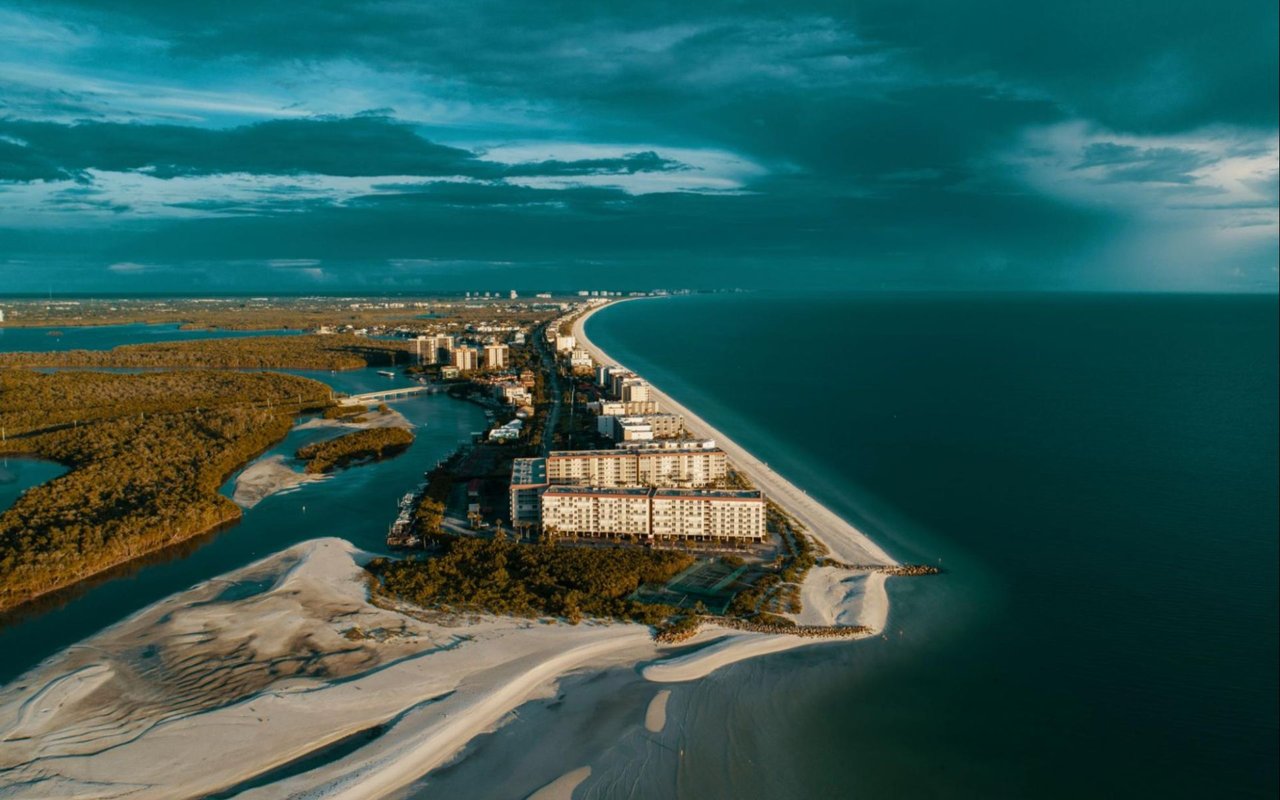
Waterfront homes in Bonita Springs, FL, are not a single category. The market encompasses Gulf-front estates on Bonita Beach with direct sand access, Gulf-access canal homes that reach open water through the Imperial River and Estero Bay, bayfront properties with views across the preserve, and riverfront homes along the Imperial River and its tributaries. Each delivers a different experience and carries a different risk and cost profile.
Gulf-front properties carry the highest insurance exposure and the strongest price premium. Canal homes offer Gulf boating access with somewhat lower direct storm exposure depending on elevation and flood zone. Bay and riverfront properties sit in a middle ground offering water views and boating access at price points that frequently run below comparable beachfront inventory.
Types of Waterfront Homes in Bonita Springs, FL
- Gulf-front estates: Direct beach access and Gulf views along the Bonita Beach and Barefoot Beach corridors; the highest insurance costs and most demanding storm preparation of any waterfront category
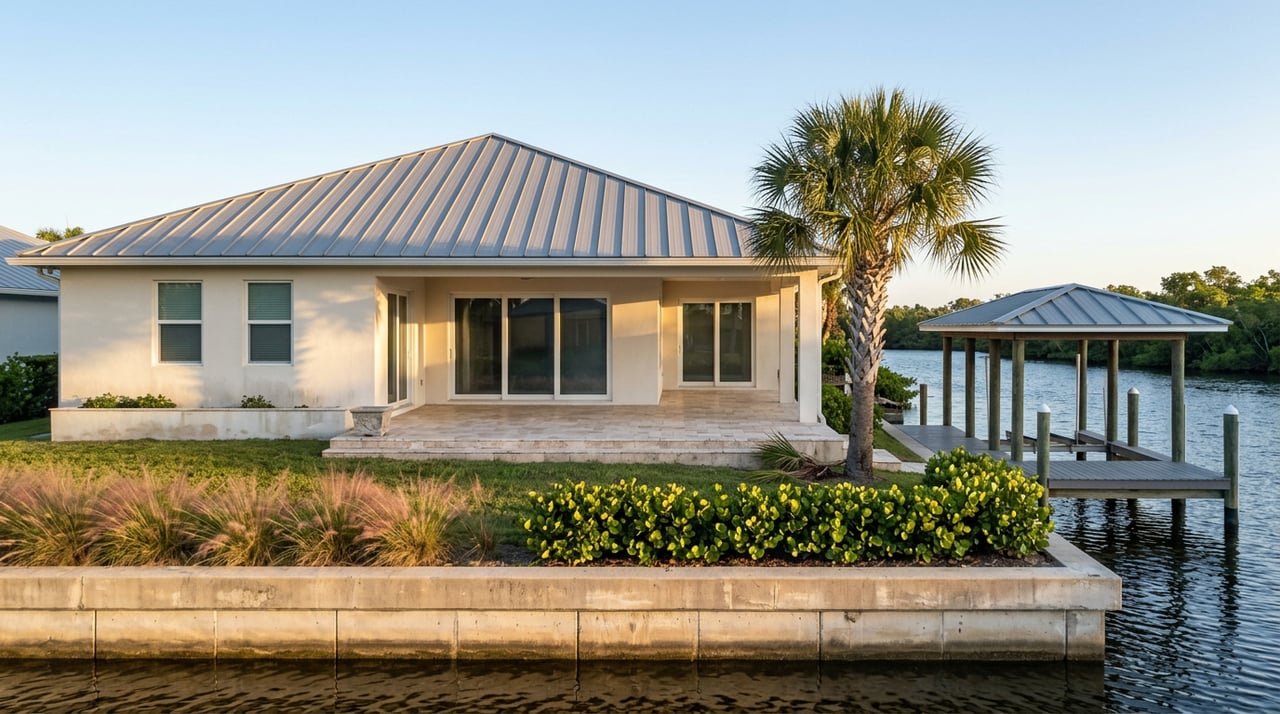
- Gulf-access canal homes: Private docks with boat lifts leading to Estero Bay and the Gulf; a strong value proposition for boating-focused buyers at a meaningful discount to direct beachfront
- Bayfront and preserve-view homes: Views across Estero Bay or natural preserves, often within gated communities like Bonita Bay; combines privacy with somewhat lower flood exposure than beachfront
- Imperial River frontage: Boating access through the heart of downtown Bonita Springs, FL, with large lots and mature landscaping that newer construction communities cannot replicate
Flood Zones: The Variable That Changes Everything
In Bonita Springs, FL, flood zone designation directly affects your insurance premiums, mortgage requirements, and long-term resale appeal. Properties along Bonita Beach and the Imperial River corridor are commonly designated Zone AE or Zone VE the two highest-risk FEMA designations. Zone AE carries a 1% annual flood probability. Zone VE designates coastal high-hazard areas subject to wave action and storm surge. Both require flood insurance for federally backed mortgages.
The National Flood Insurance Program caps residential coverage at $250,000 for structure and $100,000 for contents inadequate for most luxury purchases in this market. Private flood insurance carriers can provide higher limits and are worth comparing against NFIP pricing before closing.
What to Verify Before Making an Offer
- FEMA flood zone designation: Look up the specific parcel on FEMA's Flood Map Service Center before making any offer — flood zone can vary lot by lot within the same street
- Elevation certificate: For every foot a structure sits above the required Base Flood Elevation, flood insurance premiums drop meaningfully; this single document is the most important variable in pricing a waterfront home's insurance cost
- Insurance history: Request the seller's existing policies and claims history; a property with prior flood or wind claims may face coverage challenges or premium surcharges under new ownership
- Wind mitigation report: Features like hip roofs, impact glass, and reinforced roof-to-wall connections can reduce windstorm premiums by 10 to 45% — existing documentation saves time and directly affects your first-year costs
Seawalls, Docks, and Marine Infrastructure
Most buyers understand the house itself needs inspection. Fewer realize that the marine infrastructure the seawall, dock, and boat lift deserves its own dedicated evaluation by a licensed marine contractor. Seawall failure in Southwest Florida's tidal and storm environment can cost well over $100,000 to address depending on linear footage and construction type. A seawall that looks cosmetically intact may be compromised beneath the surface in ways a standard home inspector is not equipped to identify.
Marine Infrastructure: What to Inspect Before Closing
- Seawall structural condition: Hire a licensed marine contractor independently of the general inspection; look for erosion behind the wall, spalling concrete, failed caps, and joint separation
- Dock and boat lift: Assess structural integrity, decking condition, and permit compliance; test lift motors, cables, and electrical connections under load
- Permit and riparian rights verification: Confirm the dock was permitted through Lee or Collier County, that no unpermitted modifications exist, and that the placement complies with current setback requirements
- Water depth at mean low tide: Particularly important for buyers intending to keep larger vessels shallow access that limits boat size affects both lifestyle and resale value
The Practical Reality of Waterfront Living
Owning waterfront homes in Bonita Springs, FL, delivers a quality of daily life that is genuinely hard to replicate. Morning dolphins in the canal, sunsets over Estero Bay, the ability to leave for the Gulf from your own backyard dock these are real, consistent pleasures that residents describe with a specificity that tells you the experience holds up.
The practical side includes an elevated maintenance burden. Salt air accelerates corrosion on HVAC systems, exterior fixtures, and hardware. Hurricane season, June through November, requires more involved preparation for waterfront owners than for inland properties. And post-2002 construction in Bonita Springs, FL, built to Florida Building Code standards, consistently outperforms older inventory in both storm performance and insurer favorability making construction date a meaningful variable in any waterfront purchase decision.
Frequently Asked Questions
What is the difference between Gulf-front and Gulf-access homes in Bonita Springs, FL?
Gulf-front means the property sits directly on the Gulf with beach access — the highest-priced, highest-insurance-cost waterfront category. Gulf-access homes are typically on canals connected to the Gulf via the Imperial River or Estero Bay you reach open water by boat but the home does not sit on the beach. Gulf-access properties offer a strong boating lifestyle at a meaningful discount to direct beachfront.
How much more does it cost to insure a waterfront home in Bonita Springs, FL?
It depends on flood zone, elevation, and wind mitigation features. A waterfront property in Zone AE with a low elevation certificate can carry flood insurance premiums of several thousand dollars annually on top of an already elevated homeowners policy. Requesting quotes with the specific property's elevation certificate before closing is the only way to know your actual cost.
Do I need a separate inspection for the dock and seawall?
Yes and we always recommend one. A general home inspector evaluates the house and its systems. Evaluating seawall integrity, boat lift load capacity, and dock permit compliance requires a licensed marine contractor with Southwest Florida waterfront experience. The cost is small relative to what it can uncover.
Work With The Dellatore Real Estate Company
Buying waterfront homes in Bonita Springs, FL, is one of the most rewarding purchases a buyer can make and one of the most consequential. Reach out to us, The Dellatore Real Estate Company, and let our team guide you through every layer of the process, from flood zone analysis to dock inspection to closing.
Our team has completed over $760 million in closed volume since 2015 and has navigated every type of waterfront transaction this market offers. When the details matter — and on a waterfront purchase, every detail matters we are the team you want in your corner.